The high school gym smelled faintly of stale pizza and nervous anticipation, a scent that still makes my stomach clench sometimes.
It was the annual district science fair, a huge deal for kids like me who found more comfort in equations than in social gatherings.
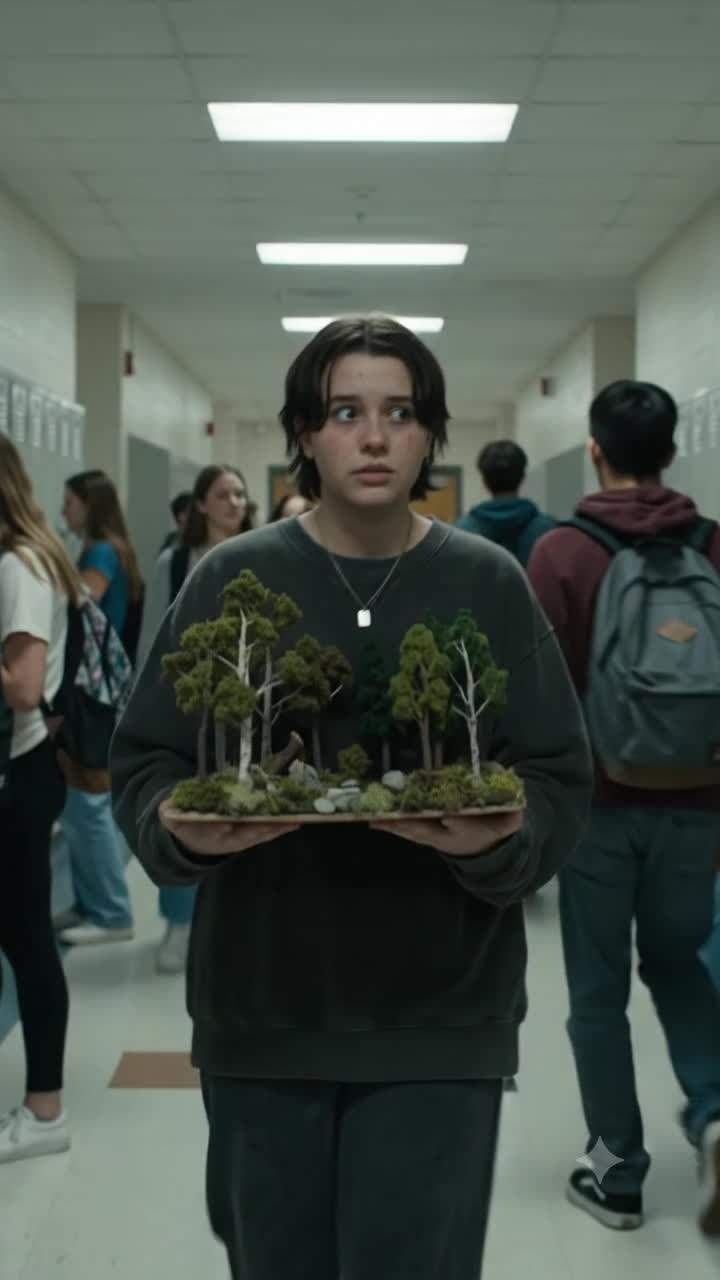
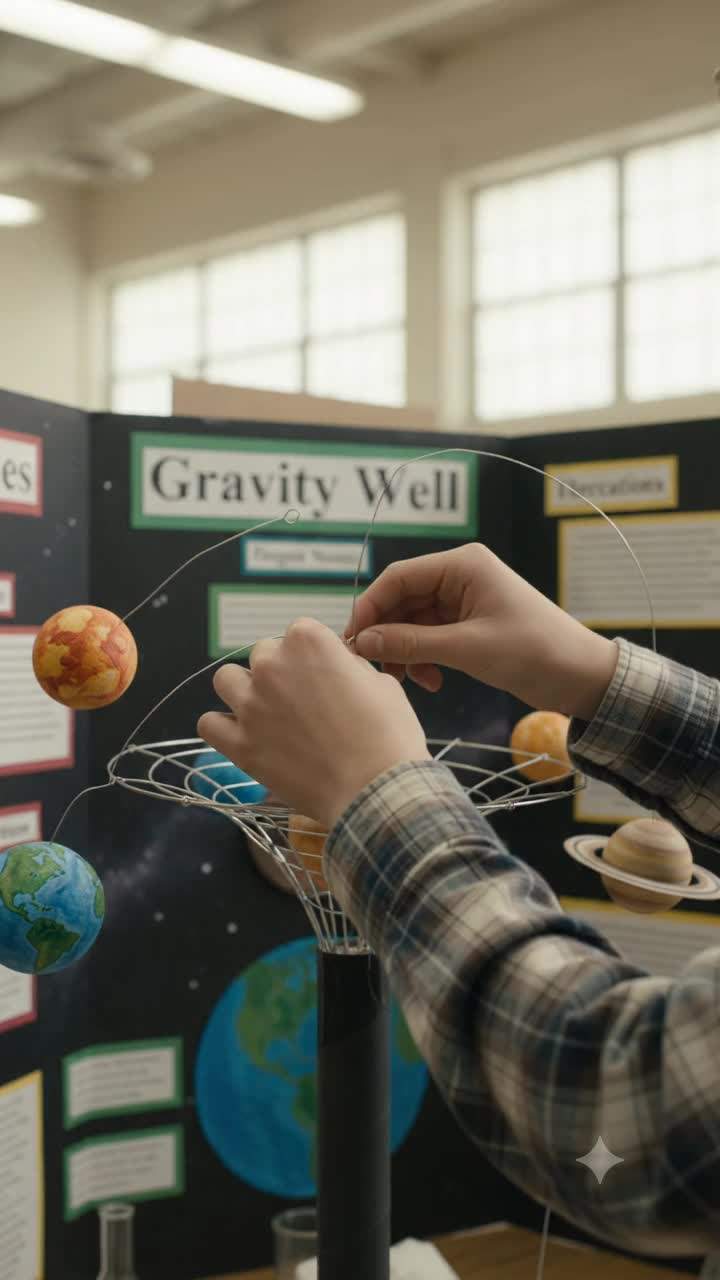
My project, the "Gravity Well Simulation," was a delicate, intricate model of planets orbiting a central mass, all suspended by thin wires and powered by a small, hidden motor.
I had spent countless late nights in my garage, meticulously painting each foam planet, wiring the tiny LED lights, and engineering the almost invisible support structure.
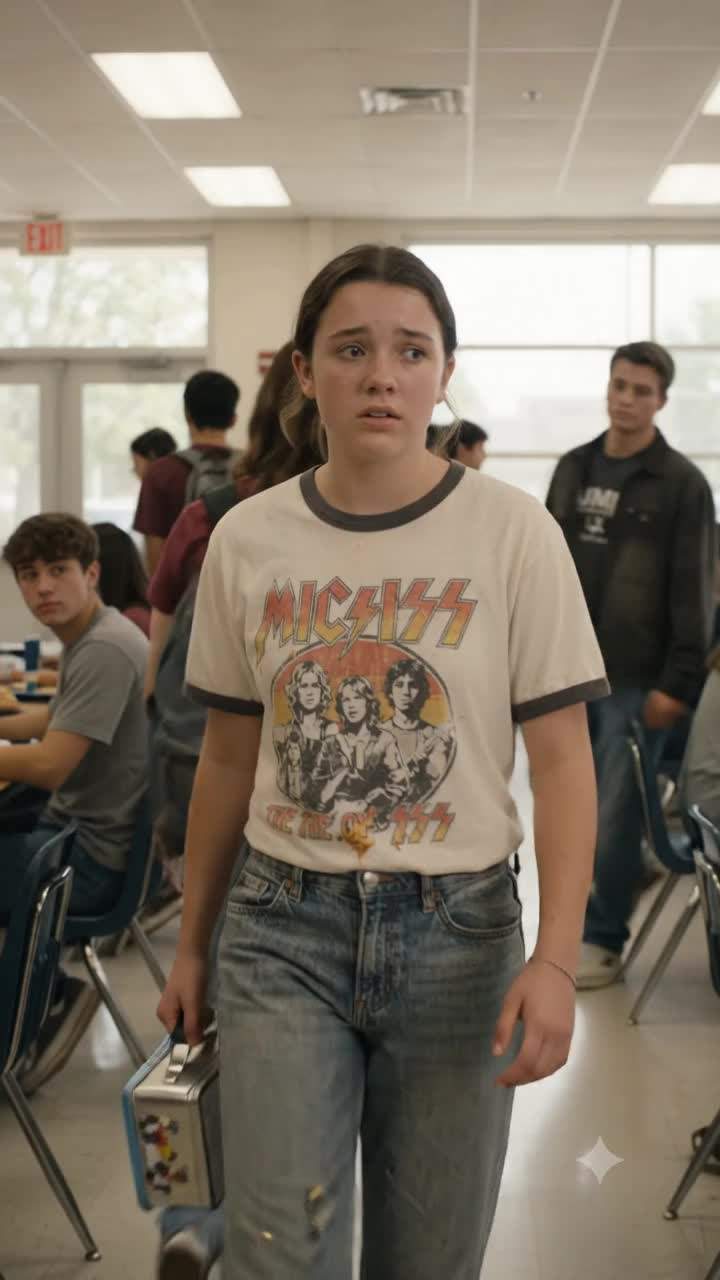
Chloe, my on-again, off-again friend, had seen it in its various stages, offering occasional comments that always felt a little off.
She'd say things like, "Wow, that's really ambitious for you," or "Don't you think those wires look a bit too thin?"
Her comments always carried a faint, almost imperceptible edge, like a backhanded compliment wrapped in a smile.
I always brushed it off, telling myself she was just being Chloe, a little competitive, a little blunt, but ultimately a friend.
We had known each other since middle school, through awkward phases and shared secrets.
I valued her friendship, even if it often felt like I was the one doing most of the emotional lifting.
A week before the fair, she had "helped" me with the main support column for my tri-fold display board.
She insisted it needed more stability, even though I had already used industrial-strength adhesive and reinforced it with metal rods.
"Just let me give it a quick once-over," she'd said, reaching for my trusty glue gun.
She fiddled with the base for a moment, making a few gestures with the glue gun that seemed more performative than genuinely helpful.
I remembered seeing her hand slip slightly, pressing against a crucial joint, but she quickly covered it up, assuring me, "There, rock solid now."
I believed her, wanting to believe in her help, wanting to believe in our friendship.
The science fair itself was a chaotic whirlwind of nervous energy.
Kids milled around, adjusting their posters, practicing their speeches, and eyeing the competition.
My anxiety was through the roof, but beneath it, there was a quiet pride in what I had created.
My parents had already come and gone, offering their usual encouraging words before heading off to run errands.
I was alone, standing guard over my miniature universe, waiting for the judges.
Mr. Henderson, the head of the science department and a notoriously tough judge, began his rounds.
He was a tall, imposing man with thick-rimmed glasses and a permanent furrow in his brow.
His approach felt like a slow, inevitable march towards judgment.
My heart pounded in my chest, a frantic drum against my ribs.
I watched him move from table to table, listening to the murmurs of other students as he posed his questions.
My palms were sweating, and I nervously wiped them on my jeans.
I took a deep breath, trying to calm my racing thoughts.
Everything had to be perfect for this moment.
I glanced across the gym and saw Chloe at her own table, her project about plant growth looking pristine and perfectly arranged.
She caught my eye and offered that tight, unreadable smile again.
It was a smile that didn't quite reach her eyes, a smile that made a tiny, uninvited shiver run down my spine.
Mr. Henderson was now just a few tables away, his attention focused on a complex robotics project.
I scanned my own project one last time, checking the alignment of the planets, making sure the motor was humming smoothly.
Everything seemed to be holding, but there was a faint, almost imperceptible wobble in the main support column of the display board.
It was probably just my nerves making me overthink things.
I reached out my hand, intending to gently push the foam planet model back into its perfectly calculated orbital path.
My fingers hovered just inches away.
That’s when I heard it, a small, sharp crack sound emanating from beneath the display board.
It was not a loud explosion, just a distinct sound of something brittle snapping under pressure.
My eyes immediately darted to the source, to the base of the main support column Chloe had supposedly reinforced.
A thin, spiderweb crack was spreading rapidly through the plaster and glue.
My blood ran cold, a sudden, horrifying realization dawning on me.
The main support column began to lean, slowly at first, an agonizing tilt.
My gaze fixed on it, watching in a kind of horrified trance.
Then, with a sickening, accelerating grace, the entire tri-fold display board began to arc forward.
The delicate wires that suspended my planets strained, then snapped one by one, releasing their celestial cargo.
The carefully arranged planets, my tiny galaxy, started to swing wildly, then tumbled downwards.
I let out a choked gasp, a sound swallowed by the general hum of the fair, but loud in my own ears.
Mr. Henderson was now almost at my table, his hand poised to write in his notebook.
The entire structure, my universe in miniature, was beginning its slow-motion collapse.
My arms instinctively shot out, a futile, pathetic attempt to catch the falling pieces.
A painted foam moon smacked my forehead with a soft, hollow thud.
Bits of crumbling plaster and painted foam puffed up, creating a dusty gray cloud that temporarily obscured my vision.
My elaborate, meticulously crafted solar system was now a cascading wreck of broken foam and hopelessly tangled wires.
The main structure hit the table with a dull, heavy thud, shaking the entire setup violently.
The sound drew immediate attention.
Heads started to turn towards my station, a ripple of curiosity moving through the nearby crowd.
Whispers began to spread, low and hushed at first, then growing louder, carrying hushed words like "What happened?" and "Oh, no."
Chloe was still watching from her table, her tight smile now a thin, unreadable line, her eyes fixed on the disaster.
She didn't move, didn't offer any sign of concern or help.
My beautiful, complex project was reduced to a pile of worthless debris, a scattered mess.
All those hours, all that painstaking effort, dissolving into a wave of public humiliation.
I felt my face flush crimson, burning hot with shame and disbelief.
My heart hammered against my ribs, a frantic, desperate beat in my chest.
I couldn't bring myself to look up, couldn't meet anyone's gaze.
It was all happening so fast, yet also in agonizing, drawn-out slow motion.
The gravity well had indeed collapsed, and it felt like it had taken my entire world, my confidence, with it.
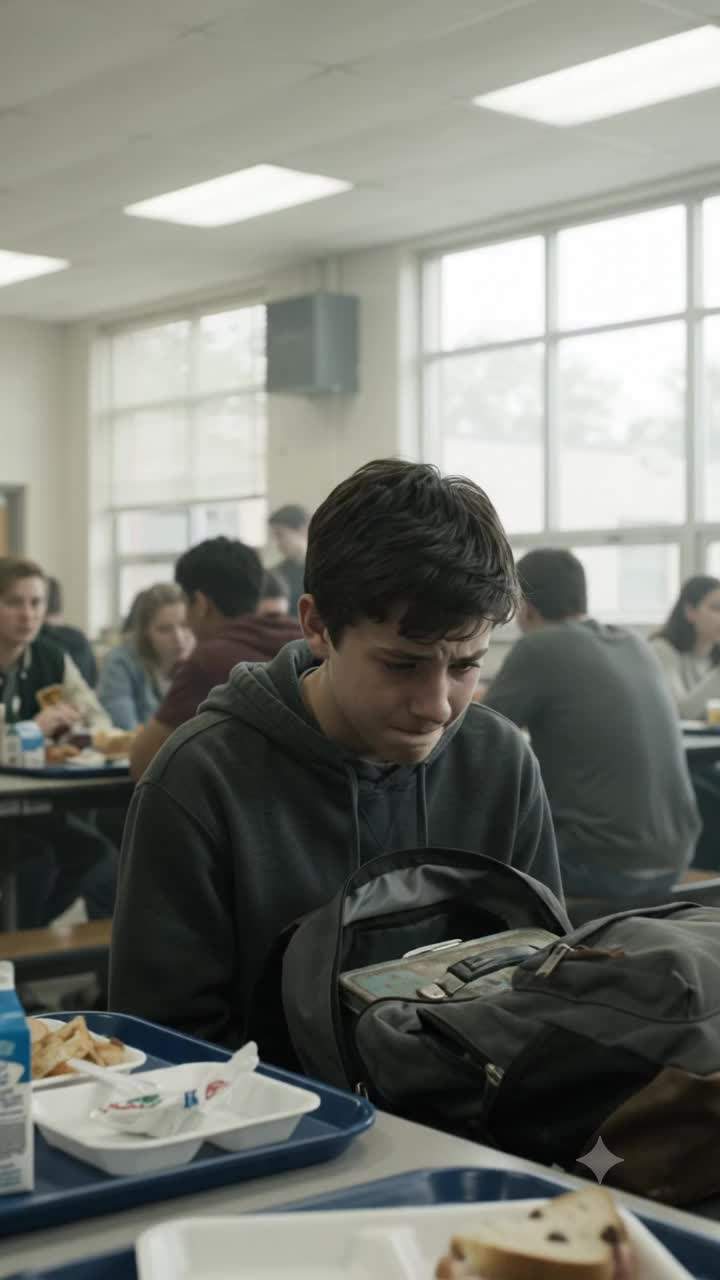
I felt a single, hot tear trace a path down my cheek, unnoticed amidst the dust and chaos.
This was not how it was supposed to end, not after all my hard work.
This was a complete and utter public disaster.
I stood frozen, trembling uncontrollably, staring at the ruins of my ambition.
My mind raced, replaying the crack sound, the way Chloe had "helped" me, the almost invisible smirk.
It couldn't have just fallen like that, not with all the reinforcements I had used.
Someone must have done something, something deliberate.
A wave of cold, bitter nausea washed over me, churning in my stomach.
I desperately wanted to disappear, to simply sink into the floorboards and vanish from existence.
The feeling of everyone's eyes on me, heavy with judgment, pity, and even amusement, was unbearable.
My throat felt tight and constricted, making it impossible to speak, to explain, to defend myself.
I could feel the crushing weight of their collective gaze, each stare a tiny pinprick of agony.
This was undoubtedly one of the worst moments of my entire life.
It was a complete and total public failure, meticulously engineered to destroy my effort.
My beautiful, complex project was ruined, and I knew, with a certainty that chilled me to the bone, that it was no accident.
Mr. Henderson just sighed, a quiet "Oh dear," under his breath, and then awkwardly moved on to the next display, leaving me in the wreckage.
No one offered to help me clean up.
A few kids whispered and pointed.
One even pulled out their phone, pretending to text but obviously taking a video.
Chloe finally looked away, a subtle turn of her head that felt like a deliberate dismissal.
I slowly bent down, my hands still trembling, and began to gather the broken pieces of my project.
Each snapped wire, each shattered planet, felt like a shard of my own broken confidence.
I collected them into the plastic bin I had used to transport them, a heavy, silent task.
I left the science fair early that day, not bothering to explain anything to anyone.
The walk home was a blur of hot tears and raw, stinging humiliation.
My parents were quiet when I got back, seeing the empty bin, not needing any words.
Their disappointment was palpable, quickly overshadowed by a worried concern for me.
I couldn't bring myself to explain the truth, the betrayal, the knowing glance.
The memory of Chloe's smile, her "help," the crack, it replayed constantly in my mind.
The initial shock gave way to a cold, burning anger, mixed with profound confusion.
Why? Why would she do something so cruel, so calculated?
The question gnawed at me, festering in the quiet moments.
I started avoiding Chloe at school, ducking into different hallways, sitting at different tables during lunch.
The unspoken tension between us was thick and suffocating.
She never approached me, never apologized, never even acknowledged what had happened.
The incident eroded something vital inside me; my trust in people, especially those I considered friends.
I became warier, more guarded, always looking for the hidden agenda, the subtle sabotage.
It impacted my enthusiasm for future projects, for anything that required me to put myself out there, to be vulnerable to public scrutiny.
A fear of public failure became a constant companion, a heavy cloak I couldn't shed.
Even now, years later, the memory of that day still stings, the burning shame, the profound sense of betrayal.
It wasn't just a science project; it was my confidence, my youthful idealism, shattered in front of everyone.
It taught me a harsh, unforgettable lesson about appearances, about hidden intentions, and about the quiet cruelty people can inflict.
And sometimes, late at night, I still wonder what Chloe was thinking, what silent satisfaction she got from watching my world fall apart.
The thought still hurts, a dull ache in a place I thought had long since healed.